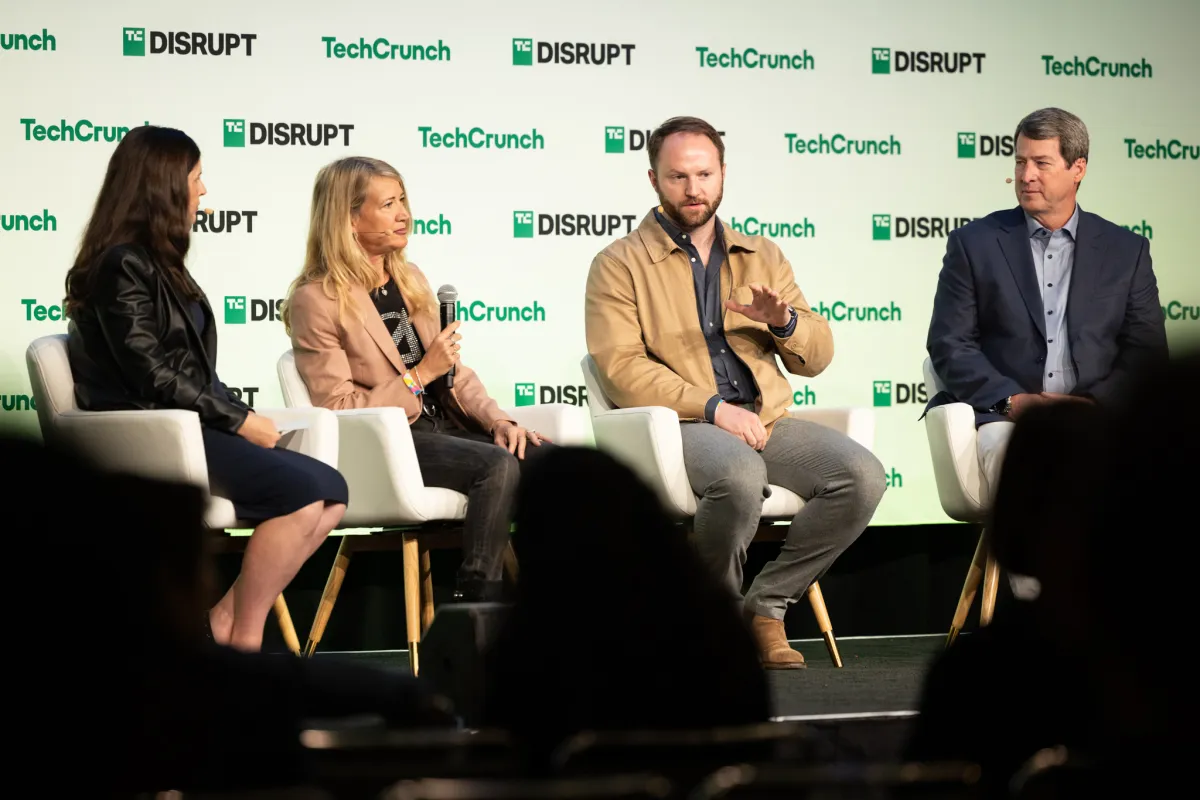

TechCrunch Disrupt 2025 is set to explore one of the most dynamic frontiers in tech and business—commercial space—with a headline session featuring two pioneers shaping the industry: Even Rogers, CEO of space infrastructure firm Orbit Fab, and Max Haot, founder of satellite internet startup Astranis. Titled “Space Is Open for Business: Building the Next Era of Commercial Spaceflight,” the conversation will dive into how private companies are turning space from a government-dominated domain into a viable, scalable market—covering everything from in-orbit refueling and satellite broadband to the challenges of regulation, sustainability, and profitability. The session will take place during the event’s October 27–29 run in San Francisco, drawing entrepreneurs, investors, and industry leaders eager to understand the future of space as a business.
Both Rogers and Haot have built careers on solving critical pain points that once blocked commercial space growth. Rogers’ Orbit Fab, founded in 2018, is on a mission to eliminate “space debris” and extend satellite lifespans with its in-orbit refueling technology—often called the “gas stations of space.” The company made headlines in 2024 when it successfully refueled a commercial satellite for the first time, a breakthrough that could cut satellite operators’ costs by 40% (by avoiding the need to launch new satellites to replace aging ones).
Haot’s Astranis, meanwhile, is democratizing access to space-based internet by building smaller, more affordable geostationary (GEO) satellites. Unlike SpaceX’s Starlink, which relies on thousands of low-Earth orbit (LEO) satellites, Astranis’ compact GEO satellites target underserved regions—such as rural parts of Africa and Latin America—delivering high-speed internet at a fraction of the cost of traditional satellite networks. The startup launched its first operational satellite in 2023 and now serves over 500,000 users across three continents.
What to Expect from the Session
Moderated by TechCrunch’s Senior Writer for Deep Tech, Devin Coldewey, the discussion will go beyond hype to focus on the practical realities of building a business in space—including the hurdles that still stand in the way of mass commercialization. Key topics will include:
1. From “Science Project” to Profitable Business: The Shift in Commercial Space
Rogers and Haot will break down how the industry has evolved from a niche sector (dominated by high-risk, high-cost projects) to one with clear revenue streams. For Orbit Fab, that means partnering with satellite operators like Intelsat and SES to offer refueling as a service (RAAS), while Astranis has secured long-term contracts with telecom companies and governments. “Ten years ago, investors thought space was a hobby for billionaires,” Haot said in a preview. “Today, we’re proving it’s a business: our satellites generate recurring revenue, and we’re on track to be profitable by 2026. That’s the shift everyone’s missing.”
2. Solving “Space’s Hardest Problems”: Infrastructure and Accessibility
A major focus will be on the infrastructure gaps that still limit commercial space growth—and how startups are filling them. Orbit Fab’s refueling tech addresses a critical issue: most satellites today are “one-and-done,” becoming space debris once their fuel runs out. Rogers will explain how in-orbit refueling can create a “circular economy” in space, while Haot will discuss how smaller satellites are lowering the barrier to entry for companies that once couldn’t afford to launch into space. “You don’t need a $1 billion rocket to compete anymore,” Rogers added. “Startups can focus on solving one specific problem—like refueling or broadband—and build a sustainable business around it.”
3. Navigating Regulation, Risk, and Sustainability
The session will also tackle the less glamorous but essential challenges of commercial space: strict government regulations (which vary by country and can delay launches by years), the risk of catastrophic failures (a single satellite malfunction can cost millions), and the growing problem of space debris. Haot will share how Astranis worked with the Federal Communications Commission (FCC) and international bodies to secure launch approvals, while Rogers will talk about Orbit Fab’s role in developing “space sustainability” standards—such as using eco-friendly fuels and designing satellites for easy refueling or deorbiting.
4. The Future of Space Business: What’s Next Beyond 2025
Looking ahead, the pair will predict where the industry is headed in the next 5–10 years—from in-orbit manufacturing (using zero gravity to create advanced materials) to space tourism for middle-class consumers. They’ll also address whether space can truly become a “mass market” or if it will remain a sector for specialized businesses. “We’re still in the early days—like the internet in 1995,” Haot said. “But the potential is enormous: space-based internet can connect 3 billion unconnected people, and in-orbit refueling can make space exploration sustainable. This isn’t about going to Mars for fun—it’s about building infrastructure that improves life on Earth.”
Why This Session Matters for Disrupt Attendees
For entrepreneurs, the session will offer a roadmap to entering the commercial space sector—showing how startups can avoid common pitfalls and focus on profitable niches. For investors, it will highlight where the next wave of space innovation (and returns) might come from—beyond high-profile ventures like SpaceX or Blue Origin. And for anyone interested in the future of tech, it will demystify how space is becoming integrated into everyday business—from internet access to supply chains.
TechCrunch Disrupt 2025 tickets—including general admission, VIP passes, and exhibition slots—are still available, though early-bird pricing will end on September 15. Attendees can also register for a pre-event workshop titled “Space as a Business: Opportunities for Startups,” hosted by Orbit Fab and Astranis team members, which will offer hands-on advice for founders exploring space-related ideas.
With Rogers and Haot leading the conversation, Disrupt 2025 is set to demystify commercial space—not as a distant dream, but as a thriving business frontier open to innovators. As Rogers put it: “Space isn’t just for astronauts anymore. It’s for entrepreneurs, engineers, and anyone who wants to build something that matters. This session will show you how.”